Label: Farpoint Recordings
フィールド・レコーディング加工の静謐アンビエント!!ニューヨークを拠点に活動し1995年からリリースを開始、多くの巨匠勢と共にサウンドアート作品を発表していたベテランStephen Vitiello。もともとは4チャンネルのサウンド・インスタレーション作品として制作、それをステレオ仕様にしLP音源化した[Dowsing]。鐘の音、水音、鳥のさえずり、静かな男性の声、また調律を変えたオルゴール的断片、丸太小屋の中の半調律のピアノの演奏などをネタに構築した、日常の延長にあるサウンドの美しい再解釈。
30 minutes of often spellbinding soundscapes founded on sources captured by Stephen Vitiello in Ireland and Wyoming...
Massimo Ricci,Touching Extremes
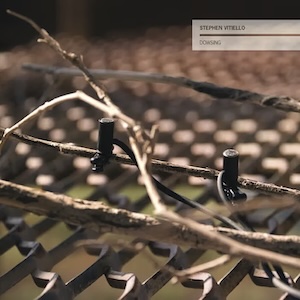
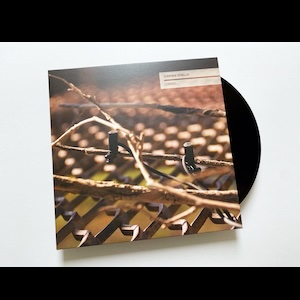
Dowsing is a vinyl long player from electronic musician and sound artist Stephen Vitiello. It contains 4 tracks and features short sleeve notes and cover photography by Stephen Vitiello.
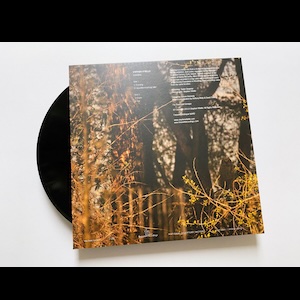
Vitiello transforms incidental atmospheric noises into mesmerising soundscapes that alter our perception of the surrounding environment. Dowsing is a stereo mix from a 4-channel installation created for the exhibition, Just Listen, organised by the National Sculpture Factory, Cork, Ireland. Sounds recorded at the homes of Danny McCarthy, Mick O’Shea and Irene Murphy. Shake was recorded in a log cabin with a semi-tuned piano at the Ucross Foundation in Wyoming. Field recordings were from the same location. With thanks to Mary McCarthy and Dobz O'Brien at The National Sculpture Factory
. . .
Massimo Ricci,Touching Extremes writes:
A limited edition of 250 vinyl copies – the folks at Farpoint threaten “no plans for reissues” – hosts 30 minutes of often spellbinding soundscapes founded on sources captured by Stephen Vitiello in Ireland and Wyoming, the final edit of the 4-track master (originally conceived for an installation titled Just Listen) presented to us in a stereo mix. Each side reveals a well-defined nature in the overall balance of moods. In the first, the most prominent effects are attributable to the melodies arising from seamed particles of tolling bells (in the title track) and what sounds like recalibrated music boxes in a piece called “GlassMarimbaFrog Caller”. Those suggestions are interspersed with male voices speaking quietly, water, birds and other rural (or less) appurtenances to create a somewhat heartwarming ambience.
The second half is less outlined in terms of timbral exactitude – though we do know that a “semi-tuned piano” taped in a log cabin is the sonic root of “Shake” - generating at various times a relieving numbness which, at some juncture, prompted an otherwise unlikely association with the soothing lysergic fumes of certain German electronic productions of the 70s. In the appropriate frame of mind, vague coincidences with private remembrances might materialise unexpectedly. Vitiello's inclination to enhance the implications of daily accents and a welcome lack of acoustic sensationalism explicate our will of reiterating the experience.



 Facebookでシェア